
The Out of Home (OOH) advertising has been a staple in the world of marketing for decades. It encompasses a range of media types, including billboards, transit advertising, and street furniture. With the rise of technology and data, there has been a shift towards audience-based buying in OOH advertising. This approach leverages data to target specific audiences based on their behaviours, interests, and online activities. This targeted approach offers several advantages over traditional methods such as geographic or demographic targeting, making it a more effective way to reach and engage with consumers.

One of the biggest benefits of audience-based OOH advertising is the ability to reach a highly targeted audience. By utilizing data and technology, advertisers can identify specific segments of the population that are most likely to be interested in their products or services. For example, an advertiser could target college students who are interested in outdoor activities by placing ads near campuses or popular hiking trails. This targeted approach ensures that the right message is being delivered to the right people, resulting in a higher return on investment (ROI).
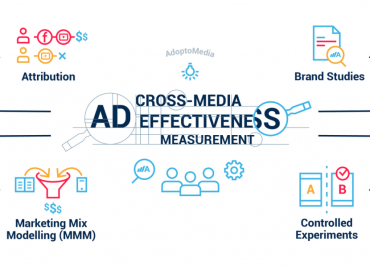
Another advantage of audience-based OOH advertising is the ability to measure and analyze the effectiveness of campaigns in real-time. Traditional OOH advertising relied on broad-based metrics such as impressions or reach to measure the success of a campaign. With audience-based OOH advertising, advertisers can track the specific audience segments that are being reached, as well as the impact of the campaign on their behaviors and actions. This information can then be used to refine and optimize future campaigns to achieve even better results.
One of the keys to successful audience-based OOH advertising is data quality. Advertisers must have access to accurate and up-to-date data to effectively target specific audience segments. This includes data on consumer behaviors, interests, and online activities. This data can be sourced from various sources, such as online cookies, mobile devices, and customer relationship management (CRM) systems. It is important to work with a trusted data provider to ensure that the data used is of high quality and relevant to the target audience.
Another important aspect of audience-based OOH advertising is the use of technology. Advertisers must have access to the right tools and technology to effectively target and measure their campaigns. This includes the use of programmatic buying platforms that allow for real-time bidding and optimization, as well as the use of analytics tools to measure the success of a campaign. By leveraging the latest technology and data, advertisers can ensure that their campaigns are effective and deliver the desired results.
In conclusion, audience-based buying in OOH advertising offers several advantages over traditional methods. By leveraging data and technology to reach specific audience segments, advertisers can reach the right people with the right message, resulting in a higher ROI. Additionally, by using real-time analytics and programmatic buying platforms, advertisers can measure and optimize their campaigns to achieve even better results. If you’re interested in learning more about audience-based OOH advertising and how it can benefit your business, consider reaching out to an OOH advertising expert for more information.